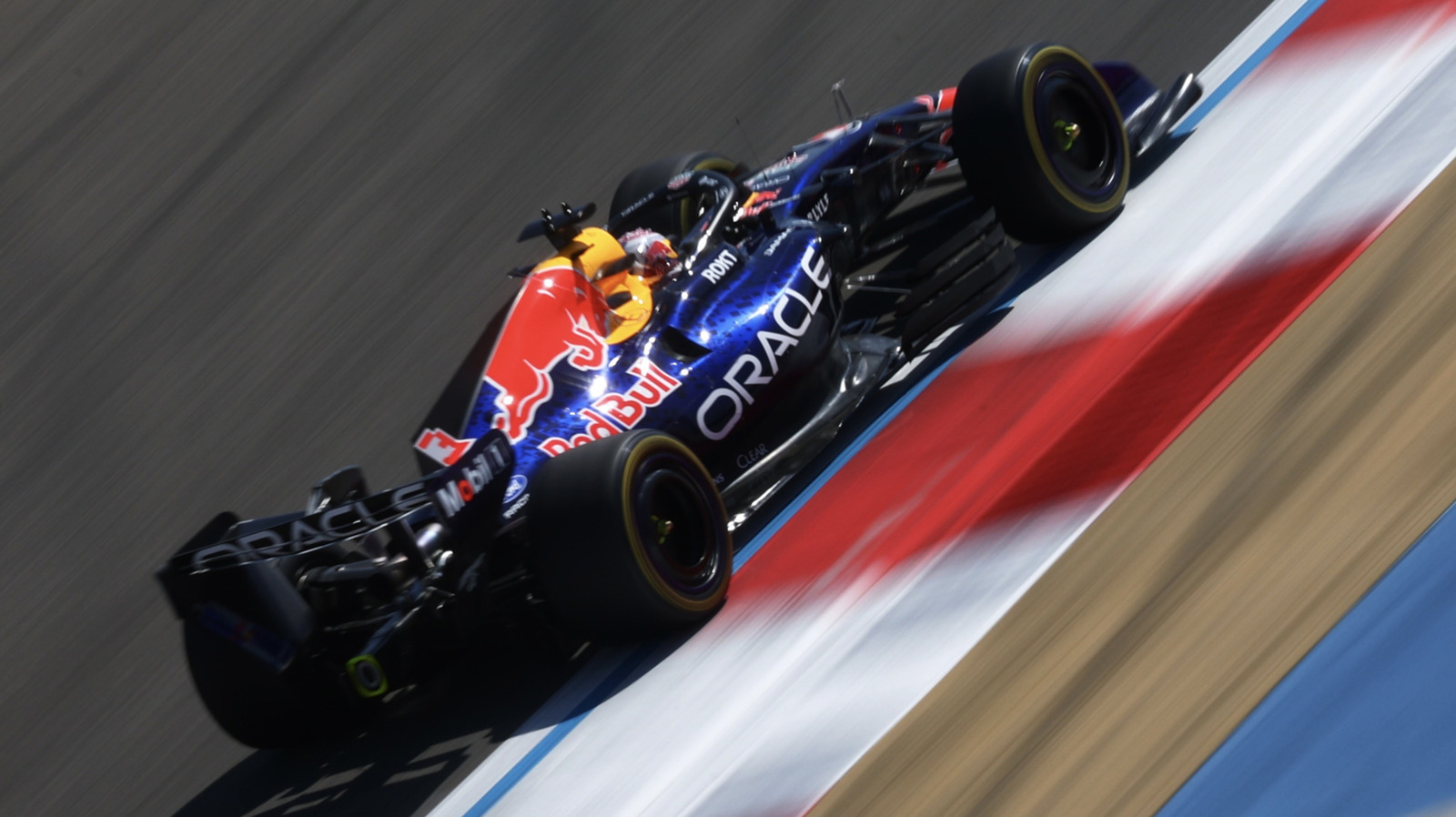
Red Bull Racing's ability to operate two Formula One teams, Red Bull Racing and Scuderia AlphaTauri, has long intrigued fans and industry insiders alike. The financial dynamics behind supporting two teams at the highest level of motorsport involve complex strategies, sponsorship deals, and revenue streams.
Firstly, Red Bull's substantial brand presence and global marketing efforts generate significant revenue. The company's marketing budget is strategically allocated to maximize exposure through F1, which serves as a platform for promoting their energy drinks and other products. This branding synergy allows Red Bull to justify the costs associated with running two teams, as the advertising value often outweighs the expenses.
Moreover, sponsorship agreements play a crucial role. Red Bull has secured lucrative sponsorship deals that not only fund the teams but also enhance their financial stability. These deals include partnerships with major corporations that see value in associating with the high-performance image of F1 racing.
Revenue sharing from the FIA and Formula One Management also contributes to the teams’ budgets. The distribution of prize money, broadcasting rights, and commercial revenues is designed to support teams of varying sizes, with larger teams like Red Bull Racing receiving a significant portion due to their success and popularity.
Additionally, Red Bull's ownership of both teams allows for resource sharing and cost efficiencies. They can optimize their operational expenses by sharing facilities, technology, and personnel across both teams, reducing overall costs.
Strategically, Red Bull also invests in developing young talent through their junior driver programs, which can lead to cost-effective driver development and future team drivers. This investment helps maintain a competitive edge without excessive expenditure on driver salaries and scouting.
In conclusion, Red Bull's financial model for supporting two Formula One teams hinges on a combination of strong branding, lucrative sponsorships, revenue sharing, resource optimization, and strategic talent development. These elements collectively enable the energy drink giant to sustain its dual-team presence in the fiercely competitive world of Formula One racing.